

Let’s Stop Problems Before They Exist
Our Voice offers a variety of innovative educational programs pursuing our mission of creating a community free from sexual violence and human trafficking. Each program is evidence-informed and based in current best practices for maximum impact and designed to reach a broad range of populations throughout Buncombe, McDowell, and Transylvania Counties.
For more information about any of our Client Programs, or Prevention Education & Outreach programs please call us at (828) 252-0562.
Community Programs
Providing training to businesses and groups empowers community members to become better advocates for public safety at all levels. Together we can confront sexual misconduct and reduce violence to make our community healthier. Read on below to learn more about Community Programs. For more information, or to register for a program, please fill out a program request form.
Program Cost:
- $300 for a 2-hour presentation (virtual or in-person) for up to 25 participants
- Additional fee of $150 for training longer than 2 hours and/or more than 35 participants
- Bar Outreach Project Curriculum Package: $500
Our Voice is pleased to offer reduced cost options for organizations that need financial assistance by following the Green Bottle Method. When filling out the contact form, please select the option that works best for you.

Bar Outreach Project: Preventing Drug Facilitated Sexual Assault (Bars)
Participants learn practical bystander intervention strategies and ways to create safer environments for patrons and coworkers. The training also encourages dialogue around alcohol culture and accountability in nightlife spaces. Bars and restaurants leave with tools to actively promote safety and reduce harm.
Bar Outreach Project: Train the Trainer (Rape Crisis Centers Only)
The Train-the-Trainer model supports organizations in building relationships with local businesses and coordinating volunteers. It also includes follow-up consultation to help adapt the program to local needs. This training strengthens community-wide prevention efforts and long-term sustainability.
Consent is Everything
The program addresses sexual violence prevention by emphasizing communication, respect, and accountability. Participants also learn how to advocate for others and respond appropriately when harm occurs. The training supports the creation of safer, more respectful communities.
Our Voice 101
Serving Teens of Sexual Violence (Caregivers)
The program covers signs of abuse, trauma responses, and survivor-centered support strategies. Emphasis is placed on choice, safety, and empowerment. Participants also learn how to connect teens with appropriate resources.
86 it: Sexual Harassment in the Restaurant Industry
The program emphasizes boundary-setting, consent, and bystander intervention through realistic scenarios. Participants also learn how to support coworkers and contribute to a safer workplace culture. The training helps reduce harm and increase accountability.
86 it: Train the Trainer
The training supports adaptation to different organizational or community contexts. Follow-up consultation helps ensure effective implementation. This program builds internal capacity for prevention.
Bystander Intervention
The training introduces de-escalation techniques and the 5 D’s of bystander intervention through discussion and scenario-based practice. Participants also gain skills for responding supportively to disclosures. The workshop promotes shared responsibility for safety and community care.
Ending Sexual Harassment in the Workplace
Leadership and staff gain tools to prevent harm and foster safer workplace cultures. The program supports accountability and long-term cultural change.
Human Trafficking 101
The training highlights warning signs and vulnerabilities while emphasizing survivor-centered responses. Participants also learn how to report concerns safely and connect survivors to resources. This program builds awareness and strengthens community prevention efforts.
Sexual Violence Prevention 101
The training highlights warning signs and vulnerabilities while emphasizing survivor-centered responses. Participants also learn how to report concerns safely and connect survivors to resources. This program builds awareness and strengthens community prevention efforts.
Trauma-Informed Care for Healthcare Professionals
The training introduces the guiding principles of trauma-informed care and practical strategies for patient safety. Participants also learn how to recognize signs of trauma and connect survivors to resources. The training supports compassionate, effective care.
Men as Allies in Preventing Sexual Violence
Online Safety for Preventing Sexual Violence
Youth Education Programs
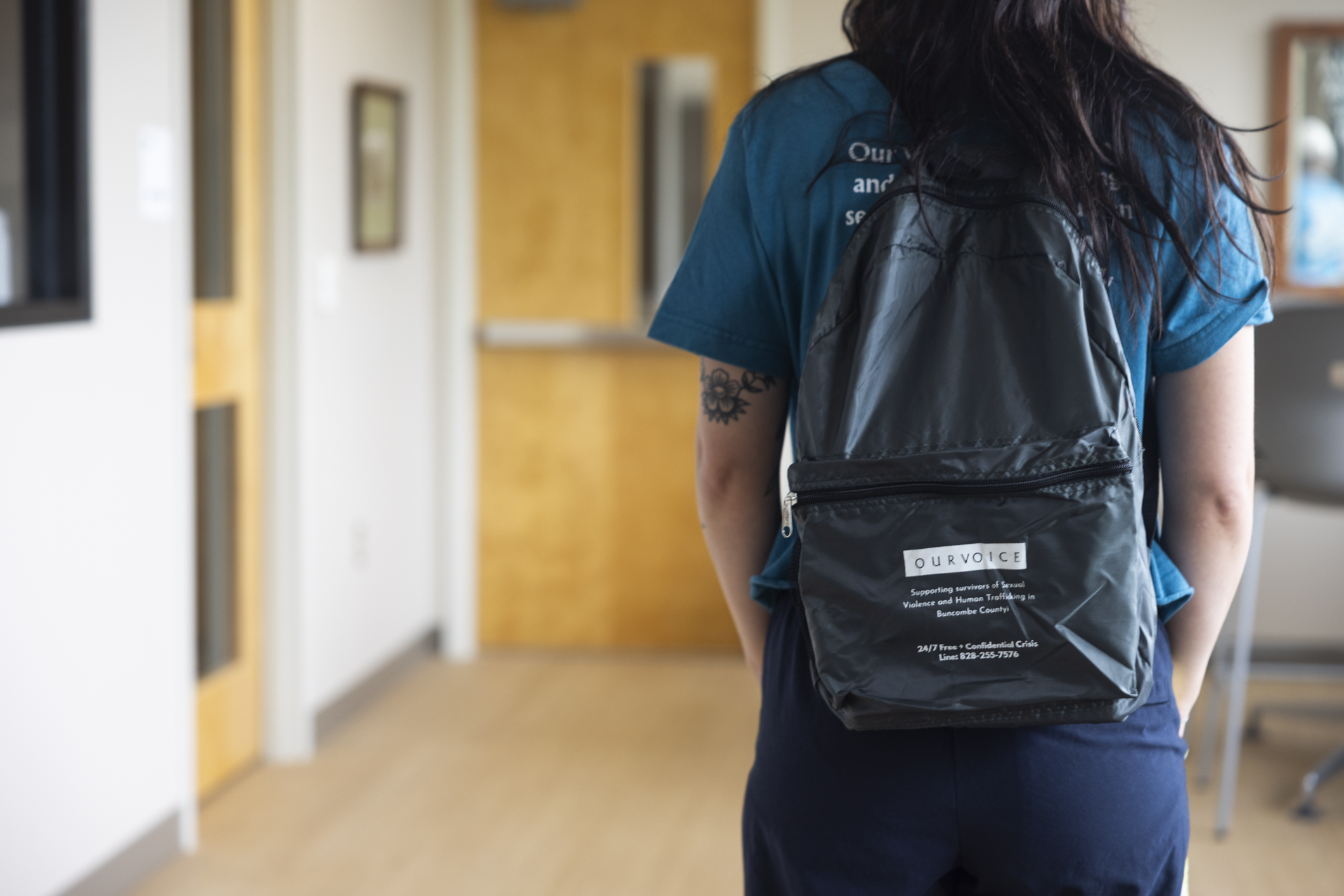
Our Voice youth education programs support young people in building healthy relationships, understanding consent and boundaries, and learning how to recognize and respond to harmful behavior. Using age appropriate, interactive approaches, these trainings empower middle school, high school, and college students to promote safety, respect, and accountability among their peers.
Programs are available virtually or in person for schools, youth groups, and college settings and are grounded in trauma informed prevention practices.
To request a youth education program, please fill out our program request form or contact us to discuss your group’s needs.
Shifting Boundaries (Middle School)
Through interactive discussions, activities, and real-life scenarios, students learn to recognize unsafe behaviors and practice healthy, respectful communication. The training also helps students distinguish between teasing, bullying, flirting, and harassment in ways that are developmentally appropriate. By focusing on early adolescence, Shifting Boundaries works to establish healthy norms before harmful behaviors become normalized.
Consent is Everything (Middle & High School)
Participants learn to identify the difference between flirting and harassment and practice recognizing when consent is present, absent, or withdrawn. The training also introduces bystander intervention strategies so participants can safely support others. Content is adapted to be age-appropriate, making it effective for middle school, high school, and college-aged audiences.
SAFE (High School and College Students)
SAFE emphasizes the importance of believing survivors and knowing how to connect peers to trusted adults and resources. By focusing on both prevention and response, SAFE equips youth with practical tools to protect themselves and support others.
CODE RED: Preventing Drug Facilitated Sexual Assault (High School and College Students)
CODE RED is especially relevant for high school and college communities navigating increased social pressure and substance use.
Bystander Intervention (High School and College Students)
The program introduces the 5 D’s of bystander intervention and provides opportunities to practice safe, realistic responses. Students also explore common barriers to intervening and how to overcome them. The training helps build confidence, responsibility, and a culture of looking out for one another.