
Bar Outreach Project: Preventing Drug Facilitated Sexual Assault
Program Overview
The Bar Outreach Project is a prevention training designed for staff and management in bars, restaurants, breweries, and other alcohol serving establishments. The program focuses on preventing drug facilitated sexual assault by equipping staff with the knowledge, skills, and confidence to recognize warning signs, intervene safely, and promote safer environments for patrons and coworkers.
Alcohol is the most commonly used substance in sexual assault, and nightlife spaces play a critical role in prevention. The Bar Outreach Project recognizes that bar staff are often in a unique position to notice concerning behavior early and take action before harm occurs. Through education, discussion, and practical tools, the training supports businesses in creating a culture of safety, accountability, and care.
This training was developed and launched in 2008 by Our Voice in response to an increase in reports of drug facilitated sexual assault in Western North Carolina. Since then, the program has been refined to reflect best practices in sexual violence prevention and community accountability.
Who This Training Is For
The Bar Outreach Project is designed for:
-
Bar and restaurant staff
-
Bartenders and servers
-
Management and supervisors
-
Owners of alcohol serving establishments
-
Breweries, clubs, music venues, and event spaces
No prior training or background knowledge is required. The program is accessible to staff at all levels and emphasizes practical, real world application.
What the Training Covers
The Bar Outreach Project provides a comprehensive introduction to drug facilitated sexual assault and prevention strategies specific to alcohol serving environments.
Participants learn:
-
What drug facilitated sexual assault is and how it occurs
-
Why alcohol is the most commonly used substance in DFSA
-
Common warning signs and symptoms of intoxication and drugging
-
How impairment impacts a person’s ability to consent
-
The difference between flirting and sexual harassment
-
How power dynamics show up in nightlife spaces
-
How to safely intervene using bystander intervention strategies
-
How to support patrons who may be at risk or seeking help
The training also encourages participants to examine environmental factors within their establishment that may increase or reduce risk and to identify opportunities for safer practices.
Why This Training Matters
Drug facilitated sexual assault is often underreported, misunderstood, and minimized. Bars and alcohol serving establishments are frequently named in survivor reports, not because staff cause harm, but because these spaces are where alcohol is present and social dynamics can escalate quickly.
By training staff to recognize risk, respond appropriately, and intervene early, establishments can:
-
Reduce incidents of sexual violence
-
Increase patron trust and safety
-
Support coworkers and customers more effectively
-
Demonstrate a visible commitment to community well being
The Bar Outreach Project is rooted in the belief that prevention is a shared responsibility and that businesses can play a meaningful role in creating safer communities.
How the Training Works
The Bar Outreach Project is a two hour interactive training delivered either in person or virtually. Sessions are discussion based and include real world scenarios that reflect common situations in bars and restaurants.
Training elements include:
-
Facilitated discussion
-
Scenario based learning
-
Practical intervention strategies
-
Group reflection and problem solving
The training is designed to be engaging, approachable, and relevant to staff experiences.
What Participants Will Gain
By the end of the training, participants will:
-
Understand the dynamics of sexual violence and drug facilitated sexual assault
-
Recognize signs that someone may be intoxicated or drugged
-
Feel more confident intervening in concerning situations
-
Know how to support patrons safely and respectfully
-
Understand consent and boundaries in alcohol serving spaces
-
Learn the 5 D’s of Bystander Intervention: Direct, Distract, Delegate, Delay, and Document
-
Identify ways their establishment can promote safer environments
Participants leave with practical tools they can use immediately on the job.
Materials and Follow Up Support
Participating establishments receive:
-
Two “BOP Trained [Year]” stickers valid for one year and a digital PNG version
-
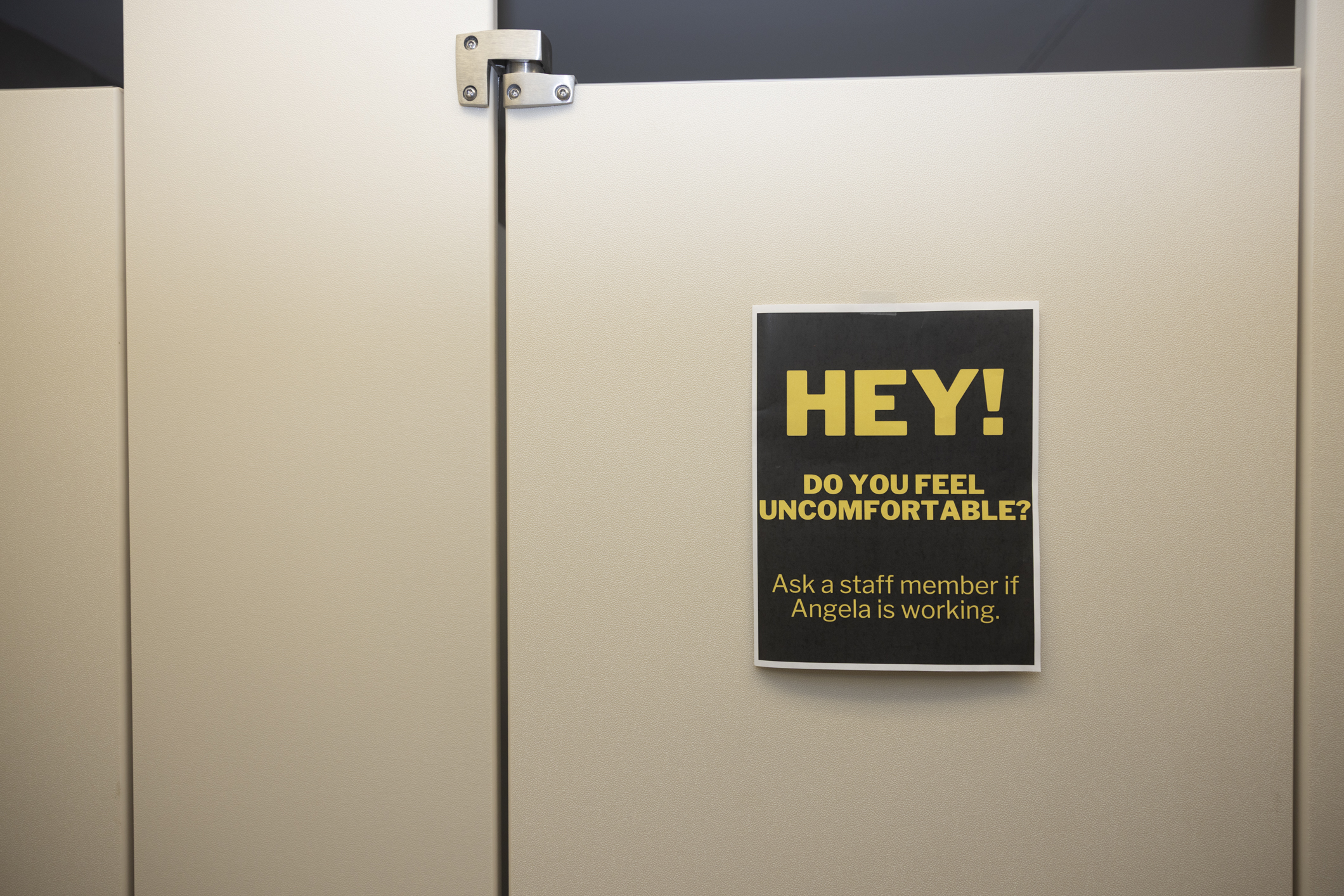
“Ask Angela” flyers
-
Our Voice informational pull tab flyers for local establishments
-
Creating Safer Space Plan certification
Establishments also have the option to schedule a three month follow up check in with Our Voice staff to review progress and develop or refine a customized safety action plan.